
The Real Florida
The Real Florida
Those That Came Before
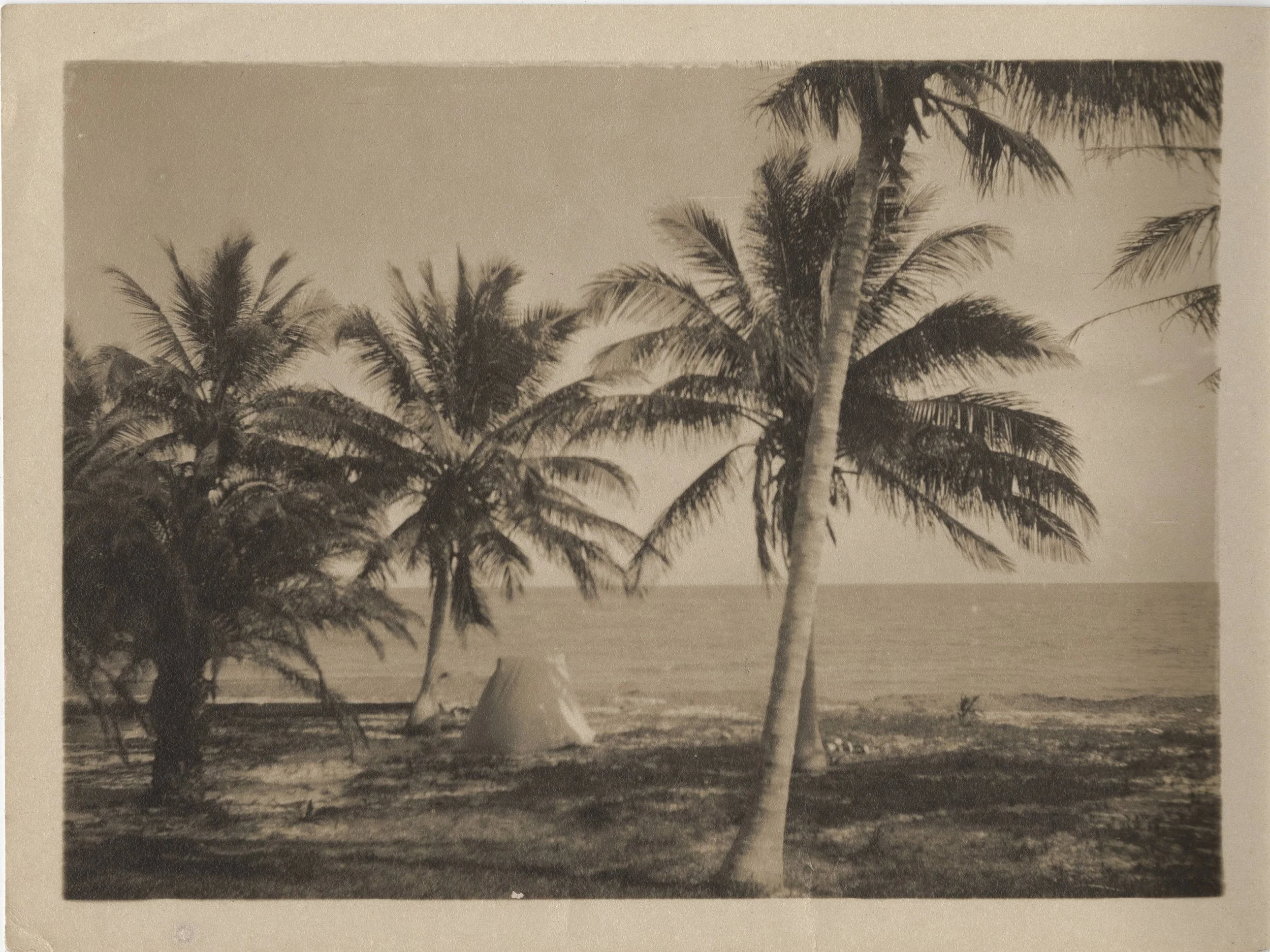
Coconut Grove is a relatively young city. However, the history of this land dates back thousands of years. The Tequesta lived in southern Florida from about 500 BCE to the mid-1700s. Many Tequesta archaeological sites found are shell middens. These sites are mostly waste piles of broken shells and fish bones, giving insights into their lives. Even the Barnacle Historic State Park has its own shell midden hidden beneath our grounds.
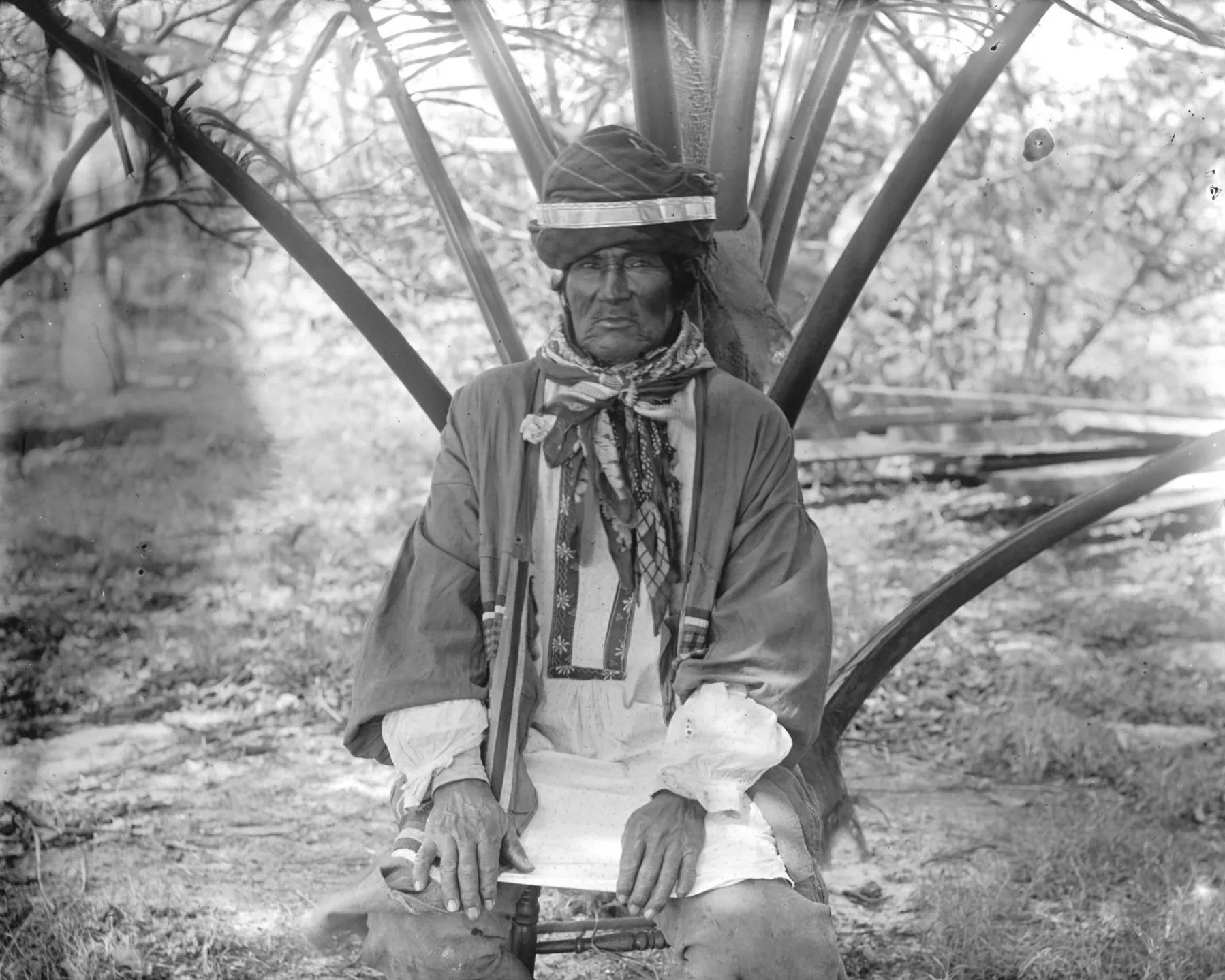
The Seminoles can find their roots in many indigenous communities, mainly in the Creek Nation from the Alabama-Georgia area. Through the passing of the Indian Removal Act in 1830, the Seminoles had to fight for their freedom and evade capture from the US Army. Only 200-300 individuals remained in Florida, while almost 3,000 had been forcibly removed out west. Escaping into the Everglades was key to their survival as one of the only tribes to have evaded capture by the US government. Originally part of the same tribe, the Mikisúki (in English, Miccosukee) separated from the Seminole tribe for political reasons in 1962. Today there are more than 2,000 Seminoles, 640 Mikisúki, and about 100 Traditionalists (those who could belong to either tribe but choose not to). After the Seminole Indian Land Claims Settlement Act of 1987, these indigenous peoples received over $12 million in restitution plus 170,756 acres held in trust.
The Extinct Wilderness
Miami is bordered by the expansive Everglades wetlands in the west and Biscayne Bay in the east. The Pine Rockland environment was a product of all these factors combined. The soil here was comparatively dry, which encouraged seasonal fire and allowed the pine ecosystem to flourish. This environment supported many woodland species. From the largest apex predator, like the Florida panther, to the smallest Atala butterfly, each individual relied on the pine rockland environment for survival.
As settlers moved to southern Florida, they cleared large areas of this pine forest. Slowly, the pine rockland had been eroded away, and hardwood hammocks dominated. With fragmentation of the small remaining acreage of pine rockland, many species have become endangered and even extinct.
The most iconic species that has been impacted heavily by this development is the Florida panther. The panther’s original range was much more expansive, from South Carolina to Arkansas and Louisiana all the way down south to Florida. Through deforestation, overhunting, and car strikes, the Florida panther population has dwindled to about 200 individuals left in the wild. Their range now consists mainly of the Everglades, bordered in the north by the Caloosahatchee River, with most panthers now being found in Fakahatchee Strand Preserve State Park. If you’re driving through panther territory, like I-75, slow down and be alert!
The Verdadera Florida
Los que vinieron antes
Coconut Grove es una comunidad relativamente joven. Aun así, la historia de estas tierras se remonta a miles de años. Los Tequesta habitaron el sur de la Florida desde aproximadamente el año 500 a. n. e. hasta mediados del siglo XVIII. Muchos de los sitios arqueológicos Tequesta descubiertos en la región son concheros. Estos lugares son, en esencia, antiguos depósitos de desechos repletos de conchas rotas y huesos de peces, que nos permiten conocer mejor la vida cotidiana de este pueblo. Incluso Barnacle Historic State Park conserva un conchero oculto bajo el suelo.
Los seminolas tienen sus raíces en diversas comunidades indígenas, principalmente en la Nación Creek de las actuales Alabama y Georgia. Tras la aprobación de la Ley de Expulsión de los Indígenas de 1830, los seminolas lucharon por su libertad mientras intentaban evitar ser capturados por el Ejército de los Estados Unidos. Solo entre 200 y 300 personas permanecieron en la Florida, mientras que casi 3,000 fueron expulsadas por la fuerza hacia el oeste. Refugiarse en los pantanos de los Everglades fue clave para su supervivencia, lo que convirtió a los seminolas en una de las pocas naciones indígenas que resistieron la expulsión total. Originalmente parte del mismo pueblo, los miccosukee se separaron políticamente de la Tribu Seminole de Florida en 1962. En la actualidad, la Tribu Seminole de Florida cuenta con más de 2,000 miembros, la Tribu Miccosukee de Indios de Florida con alrededor de 640, y cerca de 100 tradicionalistas mantienen vínculos con ambas comunidades, aunque eligen permanecer independientes. Tras la Ley de Liquidación de Reclamaciones de Tierras Indias Seminolas de 1987, estos grupos recibieron más de $12 millones en compensaciones, además de 170,756 acres de tierras mantenidas en fideicomiso.
Naturaleza Extinta
Miami está rodeada por los extensos humedales de los Everglades al oeste y por la bahía de Biscayne al este. El ecosistema de pinar sobre roca caliza es el resultado de la interacción entre estos paisajes. Los suelos bien drenados favorecen los incendios naturales estacionales, un proceso esencial para la regeneración de los pinos y el mantenimiento de este hábitat. Este ecosistema alberga una gran diversidad de especies. Desde grandes depredadores, como la pantera de la Florida, hasta pequeños insectos, como la mariposa Atala, innumerables organismos dependen de los pinares para sobrevivir.
A medida que los colonos se establecieron en el sur de la Florida, grandes extensiones de estos pinares fueron taladas. Con el tiempo, los bosques de frondosas reemplazaron gran parte del pinar original. La fragmentación de las áreas restantes dejó a numerosas especies en peligro de extinción o provocó su desaparición local.
La especie más emblemática afectada por esta transformación ha sido la pantera de la Florida. Antiguamente, las panteras habitaban una vasta región que se extendía desde Carolina del Sur hasta Louisiana, incluyendo toda la Florida. Como consecuencia de la pérdida de hábitat, la caza excesiva y las colisiones con vehículos, hoy sobreviven apenas unos 200 ejemplares silvestres. Actualmente, las panteras se encuentran únicamente en los Everglades, principalmente al sur del río Caloosahatchee. La mayor concentración vive en Fakahatchee Strand Preserve State Park y sus alrededores. Si conduce por zonas donde habitan panteras, como la Interestatal 75 (Alligator Alley), reduzca la velocidad y permanezca atento para ayudar a proteger a esta especie en peligro de extinción.
La vraie Floride
Ceux qui nous ont précédé
Coconut Grove est une ville relativement jeune. Cependant, ici, l’histoire humaine remonte à des milliers d’années. Les Tequesta ont vécu dans le sud de la Floride d’environ 500 av. J.-C. jusqu’aux années 1750. De nombreux sites archéologiques Tequesta découverts sont des amas de coquillages. Ces sites composés principalement de déchets de coquillages cassés et d’os de poisson, offrant un aperçu de leur vie. Même le Barnacle Historic State Park possède sa propre décharge de coquillages cachée sous notre sol.
Les Séminoles trouvent leurs racines dans de nombreuses communautés autochtones, principalement dans la Nation Creek de la région Alabama-Géorgie. A cause de l’adoption de la Loi sur la Relocalisation et le Déplacement des Indiens de 1830, les Séminoles durent lutter pour leur liberté et pour échapper à la capture par l’armée américaine. Seules 200 à 300 Séminoles restèrent en Floride, tandis que près de 3 000 furent expulsés de force vers l’ouest. S’échapper dans les Everglades fut essentiel à leur survie et leur permis d’être une des rares tribus à avoir échappé à la capture par le gouvernement américain.
À l’origine faisant partie de la même tribu, les Mikisúki (en anglais, Miccosukee) se sont séparés de la tribu Séminole pour des raisons politiques en 1962. Aujourd’hui, il y a plus de 2 000 Séminoles, 640 Mikisúki et environ 100 Traditionalistes (ceux qui pourraient appartenir à l’une ou l’autre tribu, mais choisissent de ne pas le faire). Après la Loi sur le Règlement des Revendications Territoriales des Indiens Séminoles de 1987, ces tribus autochtones ont reçu plus de 12 millions de dollars et plus 170 756 acres. (71,000 hectares) de restitution.
Nature sauvage disparue
Miami est bordée à l’ouest par les vastes zones humides des Everglades et à l’est par la baie de Biscayne. L’environnement de Pinèdes sur Substrat Rocheux (Rockland Pines) est le fruit de la combinaison de tous ces facteurs. Le sol ici était relativement sec, ce qui favorisait les incendies saisonniers et permettait à l’écosystème de conifères de prospérer. Cet environnement a contribué au développement de nombreuses espèces forestières et animales. Du plus grand prédateur, comme la panthère de Floride, au plus petit papillon Atala, chaque animal dépendait également de l’environnement des Pinèdes sur Substrat Rocheux pour survivre.
À mesure que les colons s’installaient dans le sud de la Floride, ils défrichaient de vastes zones de cette forêt de pins. Peu à peu, les pinèdes s’érodèrent, et les Îlots Forestiers de Feuillus devinrent dominants. Avec la fragmentation des rares surfaces restantes de pins, de nombreuses espèces disparurent ou sont désormais en danger d’extinction.
Une des espèces emblématiques impactée par ces changements est la Panthère de Floride. Son aire de répartition originale, beaucoup plus vaste, s’étendait de la Caroline du Sud, l’Arkansas et la Louisiane, jusqu’au sud de la Floride. À cause de la déforestation, de la chasse excessive et des collisions avec les voitures, la population de Panthères de Floride a quasiment disparue, et n’a plus qu’environ 200 individus à l’état sauvage. Leur aire de répartition se compose désormais principalement des Everglades, bordée au nord par la rivière Caloosahatchee. La plupart des panthères sont désormais dans le Parc d’État de la Fakahatchee Strand Reserve. Si vous traversez le territoire des panthères, sur l’I-75, ralentissez et soyez vigilant !